‘Cut in secret’: Gambia anti-FGM activists fear babies targeted despite ban
The practice was banned a decade ago but authorities are struggling to clamp down on culprits.
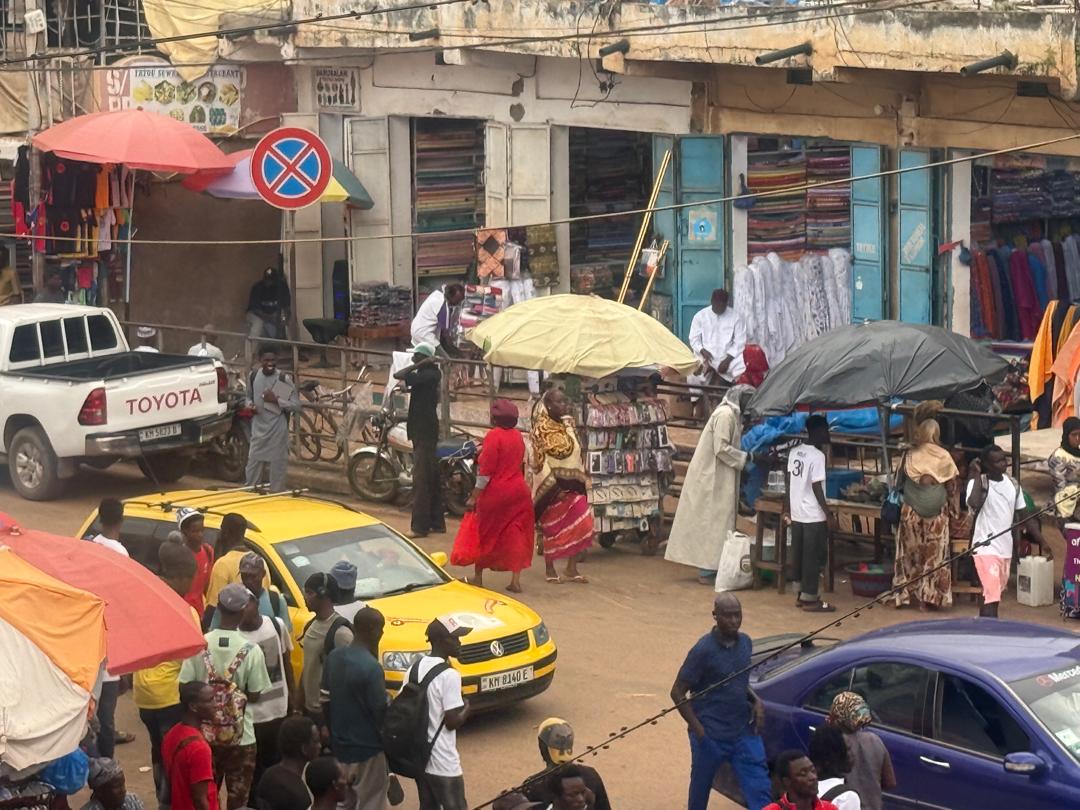
The practice was banned a decade ago but authorities are struggling to clamp down on culprits.

![Aalia, an FGM survivor from Pakistan's Dawoodi Bohra community, who still grapples with a sense of betrayal [Courtesy Aaliya/Al Jazeera]](https://aljazeeranews.edgeone.app/wp-content/uploads/2024/12/Aaliya-1735539683.jpeg?resize=768%2C513&quality=80)


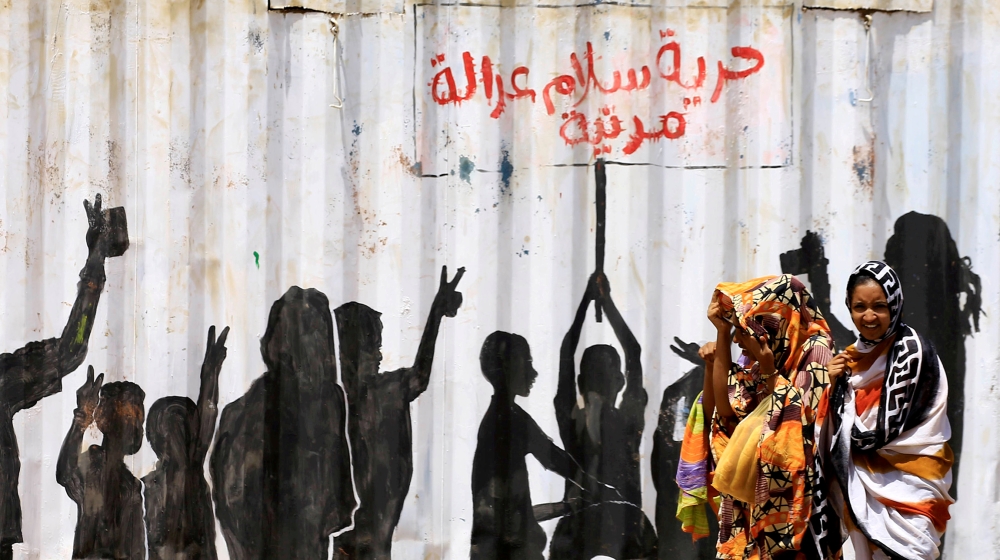
In April, Sudan’s cabinet approved amendments to the criminal code that would punish those who perform FGM.
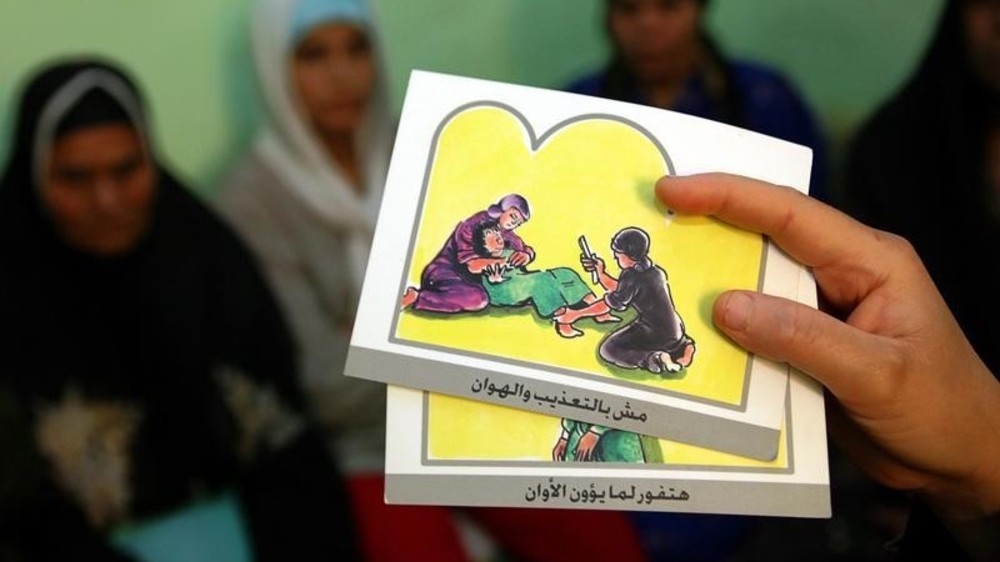
The pandemic has disrupted efforts to end both practices that can jeopardise the futures of millions of girls, UN said.
Criminal charges brought against father, doctor for cutting genitals of three minors under vaccination pretext.
Campaigners welcome move by Sudan’s transitional government, say it ushers in ‘new era’ for girls’ rights.
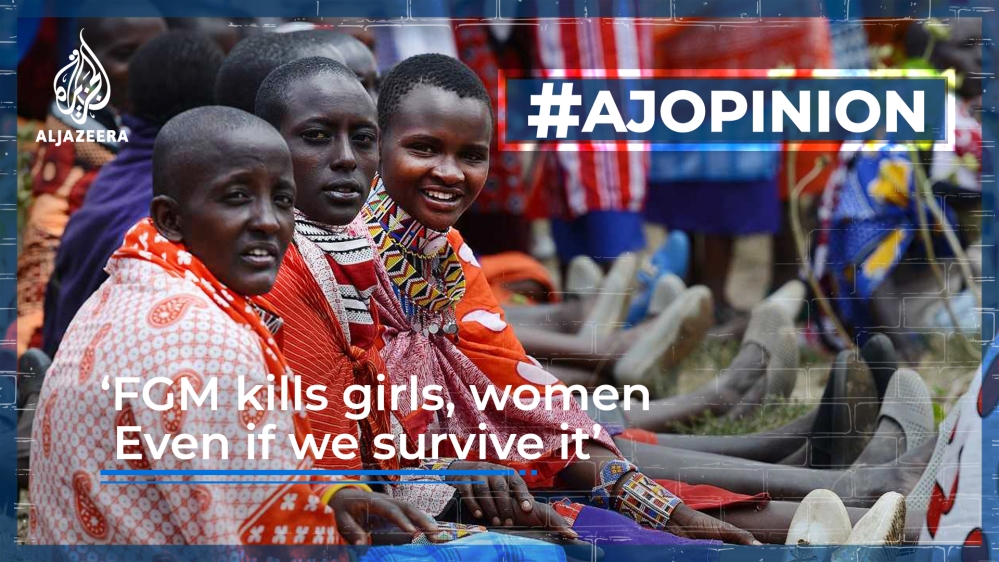
We speak to Hibo Wardere, FGM survivor and anti-FGM campaigner, to hear her story.
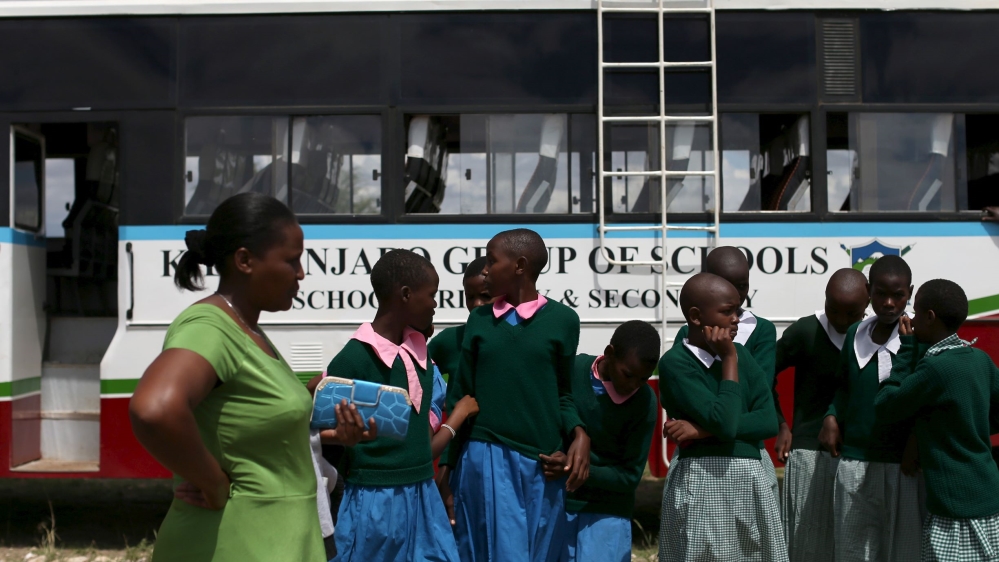
Maasai women are spearheading an alternative rite of passage that excludes female genital mutilation.
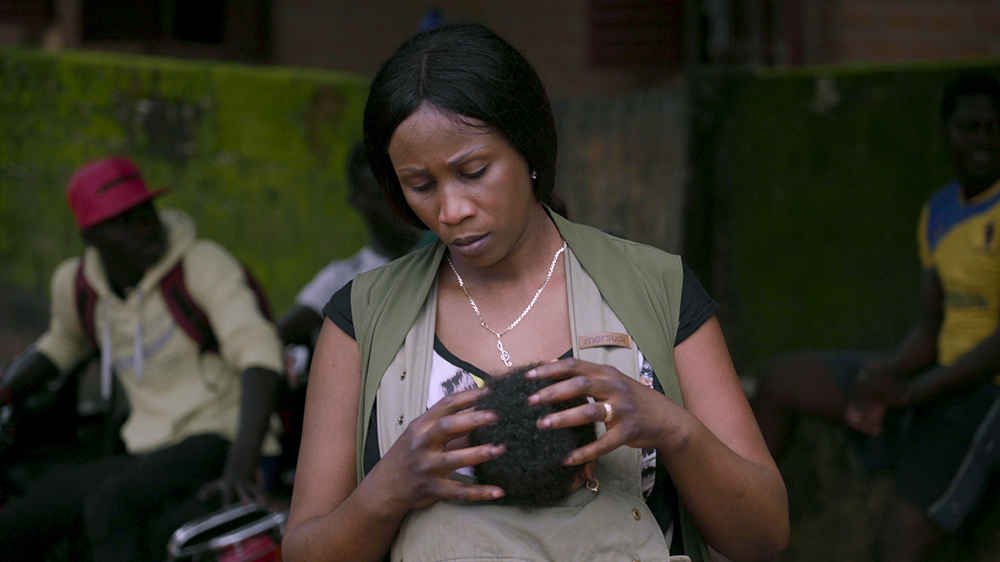
Sister Fa is a Senegalese rapper and anti-FGM activist on a mission to eradicate the harmful cultural practice.
Odachi* secretly saved money for her daughters’ UK flights to save them from FGM, but had to leave her son behind.
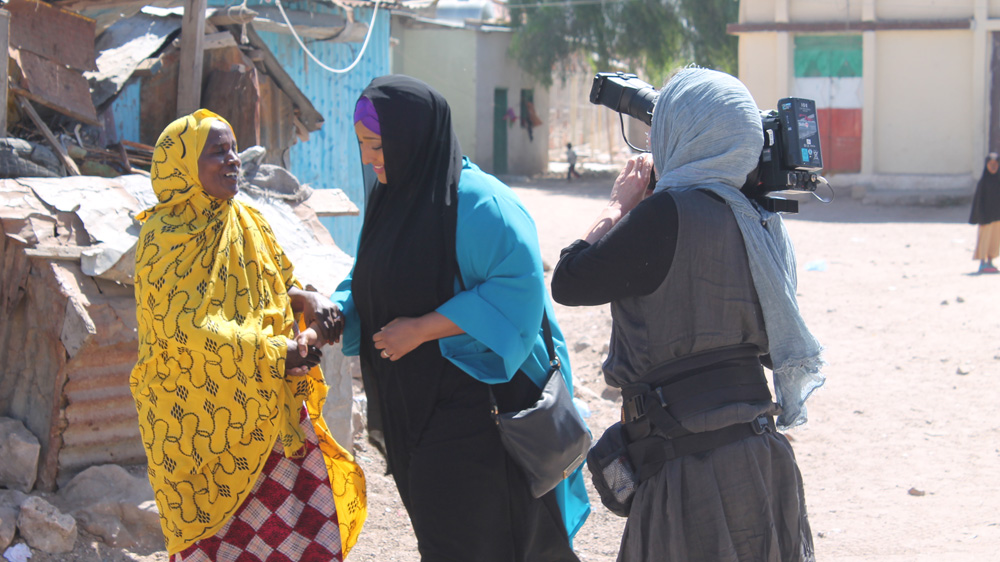
Journalist Fatma Naib explored the painful practice of female genital mutilation that affects about 200 million women.

Why does the dangerous and painful practice of female genital mutilation persist in so many countries across the world?