Trump’s new 50 percent Canada tariffs: What products are affected and why?
The US president imposes new sweeping tariffs on Canada, straining already tense ties with its second-largest trading partner.


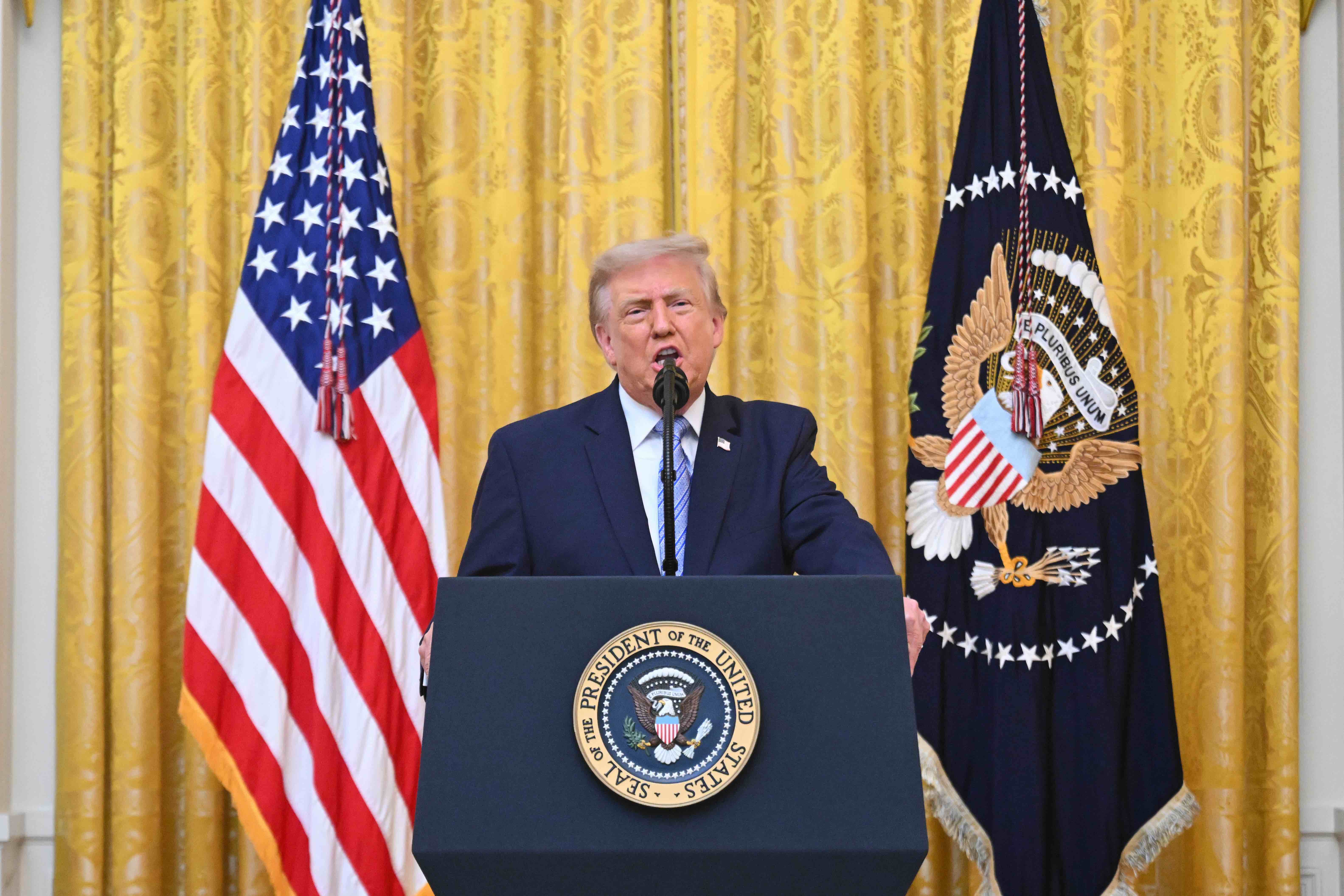
United States President Donald Trump has imposed new 50 percent tariffs on a range of Canadian goods, threatening to further strain ties with its second-largest trade partner.
The tariffs, announced on Monday and scheduled to take effect in 30 days, cover a range of items, including wine, hockey sticks and cement, according to a White House fact sheet.
Recommended Stories
list of 4 items- list 1 of 4Trump imposes 50% US tariffs on some Canadian goods, citing discrimination
- list 2 of 4Why has Trump refused to renew the USMCA, and what will that mean?
- list 3 of 4US to impose new 25 percent tariffs on some Brazilian imports
- list 4 of 4‘Piracy’: Will Trump’s 20 percent Hormuz toll find takers?
The White House claimed “discriminatory treatment” from Ottawa against US alcohol, automobile and dairy products behind the latest tariffs.
Last week, Trump had threatened Canada with increased tariffs over a wave of wildfire smoke that descended on the US.
Here’s a breakdown of which products are affected and why.
What goods are affected?
Trump invoked Section 338 of the Tariff Act of 1930, the first recorded use of the law in nearly a century of its existence. The law permits the president to impose punitive tariffs of up to 50 percent against trading partners deemed to have discriminated against US goods.
The slapping of import taxes on goods ranges from wine to cement and ice hockey gear. The new tariffs would also apply to dairy products, swimming pools, furniture, fishing rods, seeds, clothing and wigs, among other items.
The US Trade Representative’s office said that the tariffs would apply to nearly $20bn of imports from Canada – about 5.2 percent of the $382bn worth of goods that the US imported from Canada in 2025.
Trump has also cited the trade deficit with Canada behind his sweeping tariffs. The US goods trade deficit with Canada was $46.4bn in 2025, according to Washington, and Canada’s oil and gas are the main source of the deficit.
The latest duties will not apply to oil, gas, critical minerals, potash, and goods already impacted by sector-specific tariffs, the White House said.
What has the US said?
The Trump administration says the new tariffs would apply regardless of whether the product was included under the existing United States-Mexico-Canada Agreement (USMCA), the free trade agreement between Canada, the US and Mexico (known as CUSMA in Canada).
Washington already has active tariffs ranging from 15 to 50 percent on Canadian copper, aluminium and steel, alongside a 25 percent tax on non-US parts in cars.
Announcing the new tariffs, the White House said Canada was the only country, other than China, to retaliate against Trump’s tariffs last year.
“Canada has taken US alcohol products off Canadian shelves, given better market access to dairy products from the European Union, and has put a cap on US vehicle exports to Canada from companies reshoring to the United States,” US Trade Representative Jamieson Greer argued in a statement.
The tariff announcement aims to “hold Canada accountable for its retaliation and discrimination”, he added.
The White House further claimed in its fact-sheet: “The United States, under President Trump’s leadership, did not agree to renew the [USMCA] in its current form, because the deal is not sufficiently beneficial for the United States.”

How has Canada reacted?
Canadian Prime Minister Mark Carney said in a statement that Trump’s tariffs are “the latest in a series of unilateral US trade actions” in direct violation of the trilateral free trade agreement.
“Recognising that the US has been transforming all of its trade relationships, including those covered under CUSMA, over the past 18 months, Canada has made a series of detailed and comprehensive proposals to resolve this dispute and to modernise CUSMA,” he wrote in the statement, posted on his X account. “We stand ready to intensify those discussions in the coming weeks.”
“This trade dispute has raised costs for families, particularly in the US. Canada stands ready to engage intensively to address outstanding issues with the US to the mutual benefit of our citizens,” he added.
Carney had tried to negotiate with Trump last year, but the talks abruptly ended in October after Ontario funded an anti-tariff advertisement in the US.
