General Petraeus and his student protesters at the City University of New York, confront the Vietnam Syndrome.
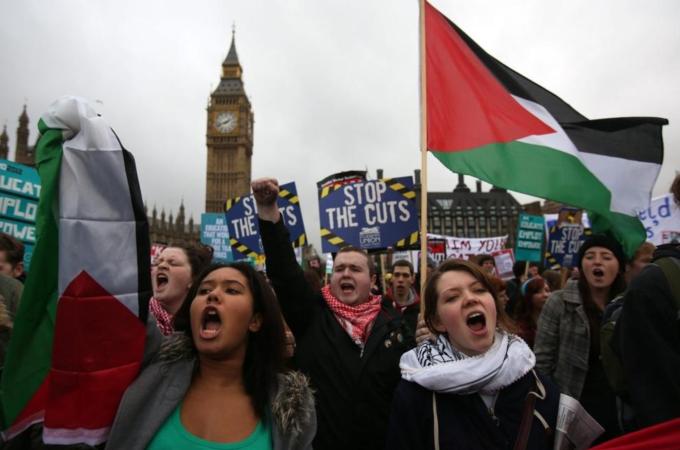
!["One suspects that what CUNY is interested in is making use of Petraeus' presence for fundraising purposes," writes Barkawi [AFP]](https://aljazeeranews.edgeone.app/wp-content/uploads/2013/11/201311194928713580_20.jpeg?resize=270%2C180&quality=80)

General Petraeus and his student protesters at the City University of New York, confront the Vietnam Syndrome.
Avenues and actions for global economic reform are more likely to originate from the ‘Global South’ than the ‘West’.
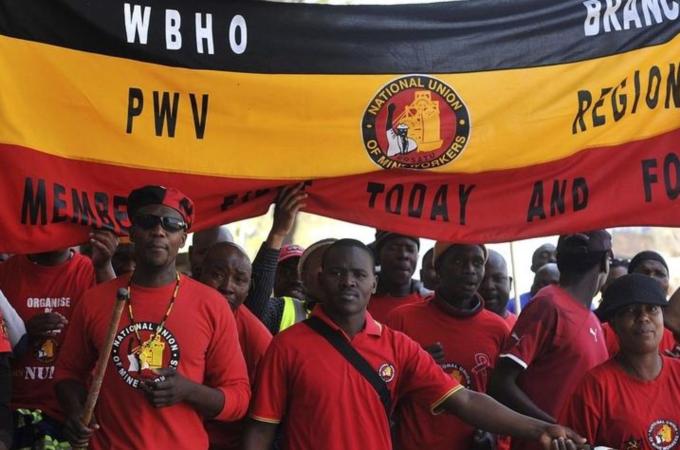
As public focus becomes insular across many post-industrial nations, it’s time to imagine new norms in global politics.
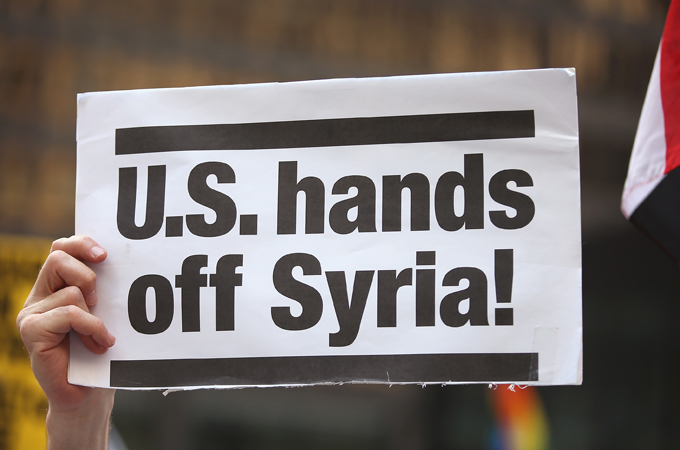
The latest posturing by Western countries shows both their hypocrisy and their powerlessness.
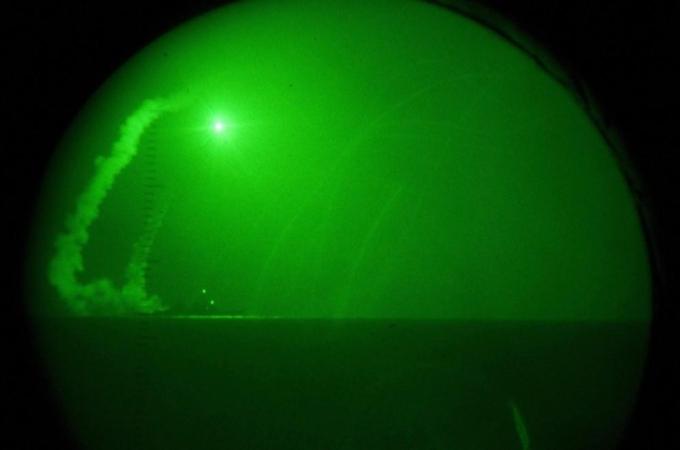
Is the NSA tapping the internet essential to keeping up with US rivals and enemies?
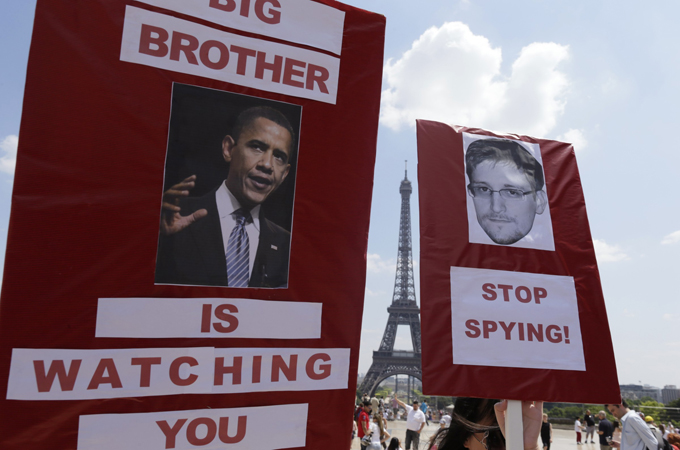
People in the West ought to wake up and emulate the popular revolts of Brazil and Turkey, suggests Barkawi.
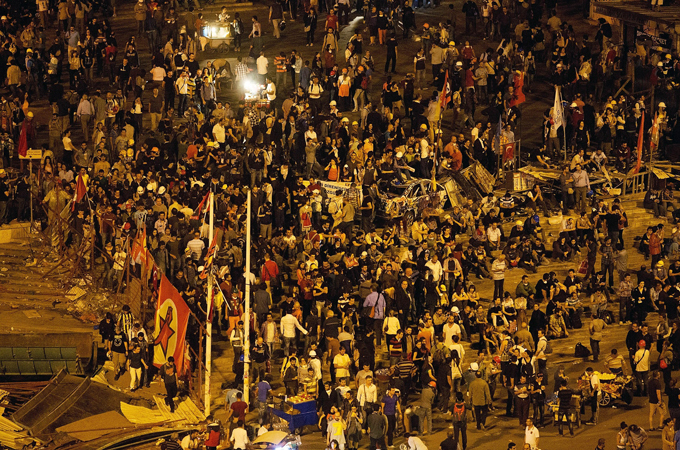
The global “war on terror” will continue to define what is possible in politics at home and abroad.
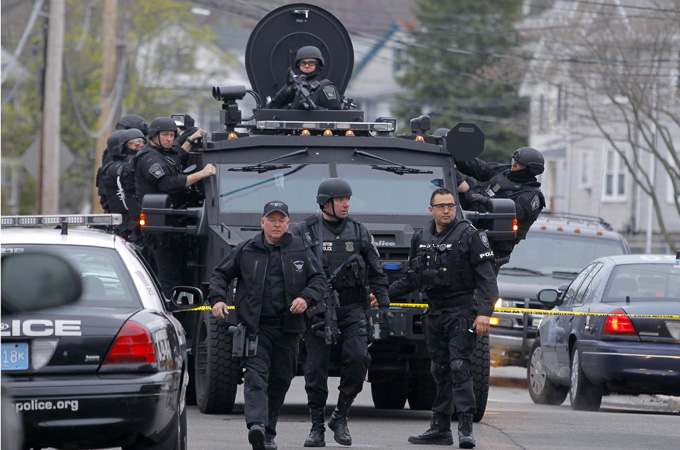
Liberalism in the 1920s was strong enough to tolerate mass protests and respectful funerals for “terrorists”.
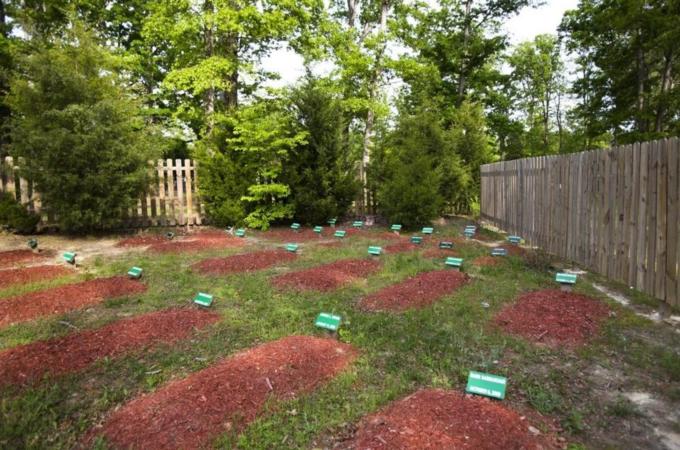
The neoliberal sacking of the universities runs much deeper than tuition hikes and budget cuts, notes Barkawi.
The North Korean bomb may be an uncomfortable fact of life, but so too is the US bomb, notes Barakawi.