As countries spend more on their militaries, what does that mean for spending on healthcare and education?


As countries spend more on their militaries, what does that mean for spending on healthcare and education?
Al Jazeera spoke with MIT professor Ted Postol about what Iran could do with its 440kg of 60 percent enriched uranium.

In the last month, 1.2 million people in Lebanon, or one-fifth of the population, have been forced to flee their homes.

US households paid $1,000 more for the same goods over the past year, with lower-income families hit the hardest.

Natural gas powers a quarter of the world, and almost a fifth of LNG moves through the Strait of Hormuz.

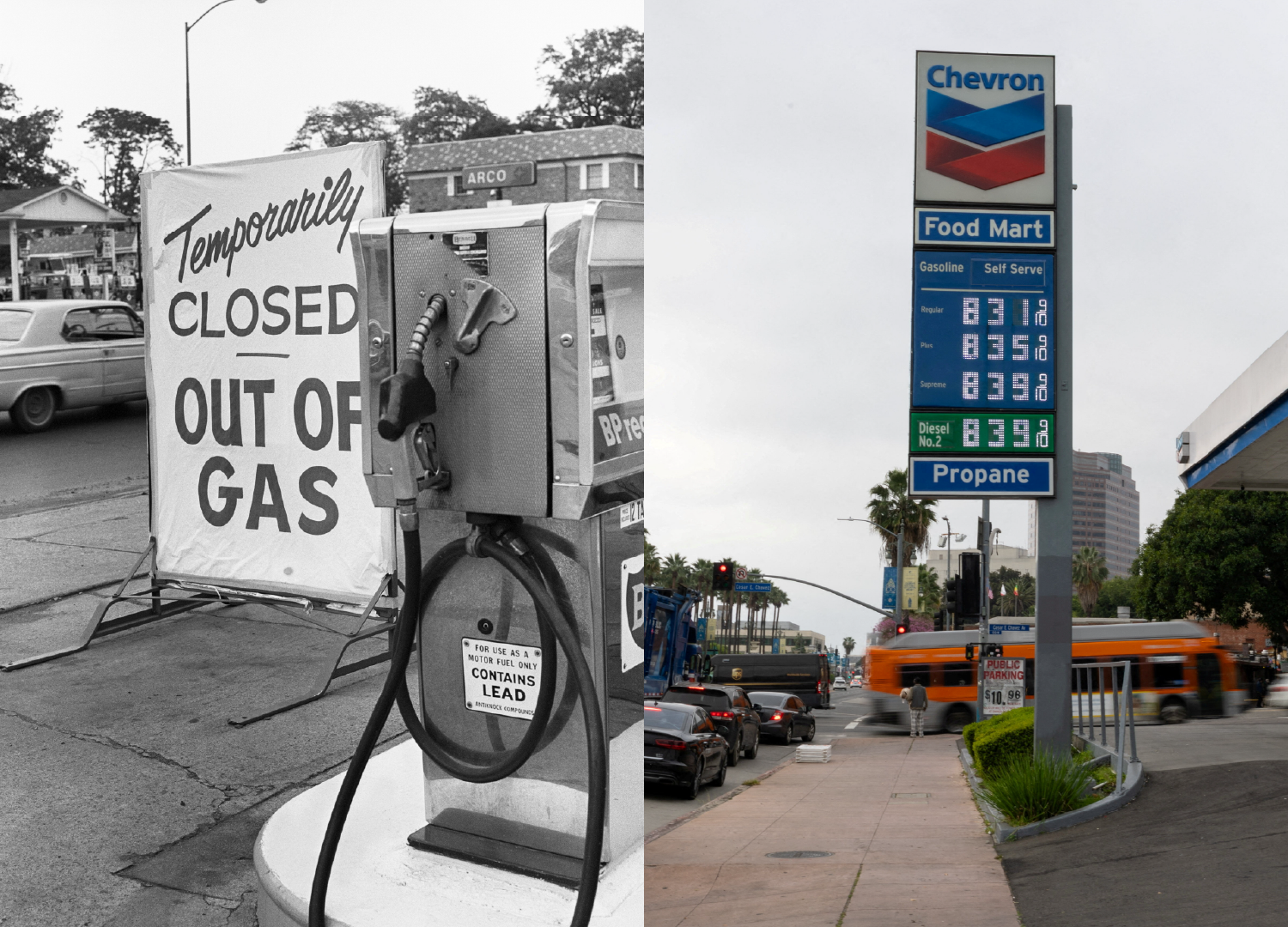
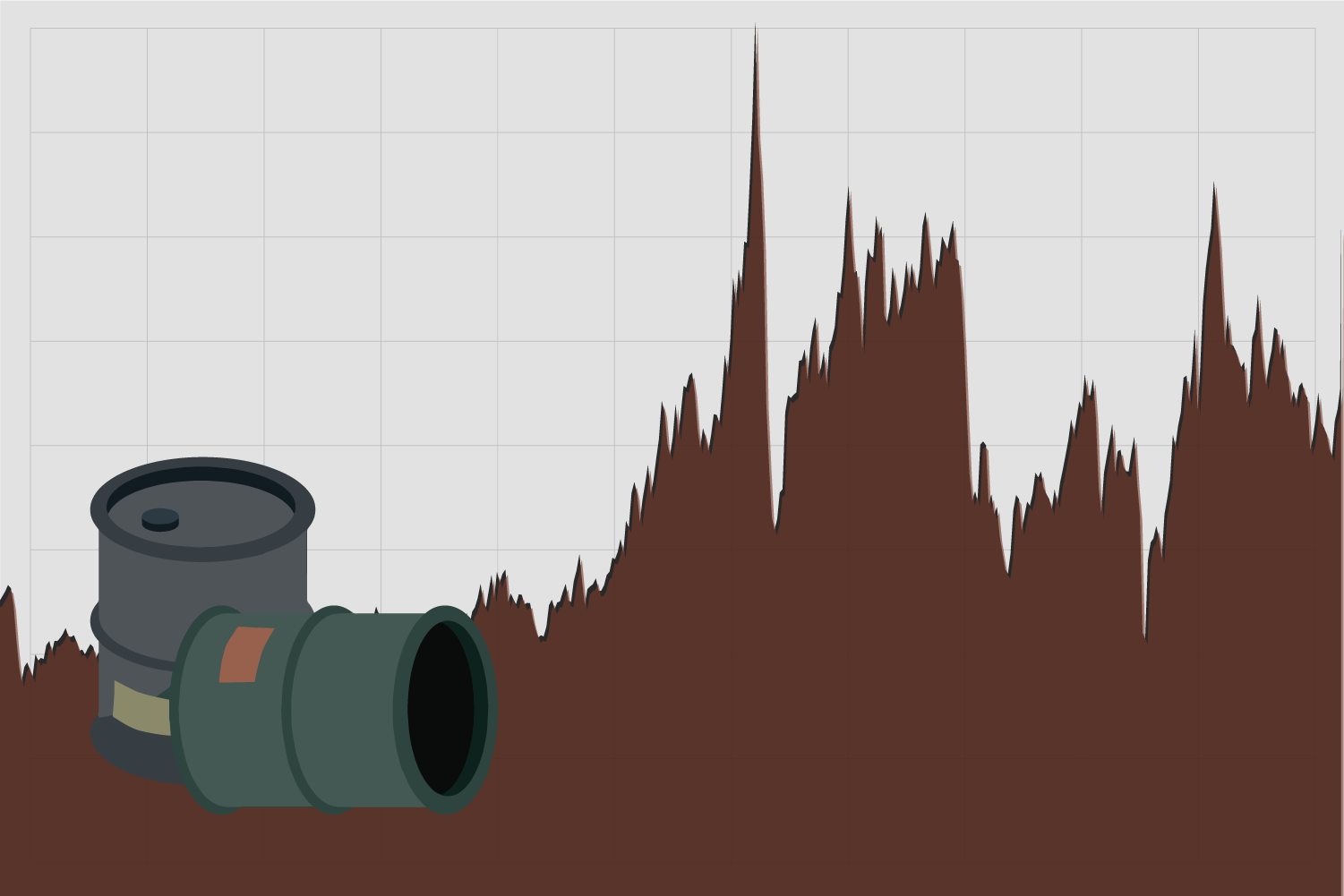
The 1973 oil embargo removed 4.5 million barrels per day from global supply. Today, that figure stands at 20 million.
Oil and gas are not just fuel. They are raw materials for thousands of products, including fertilisers used in farming.
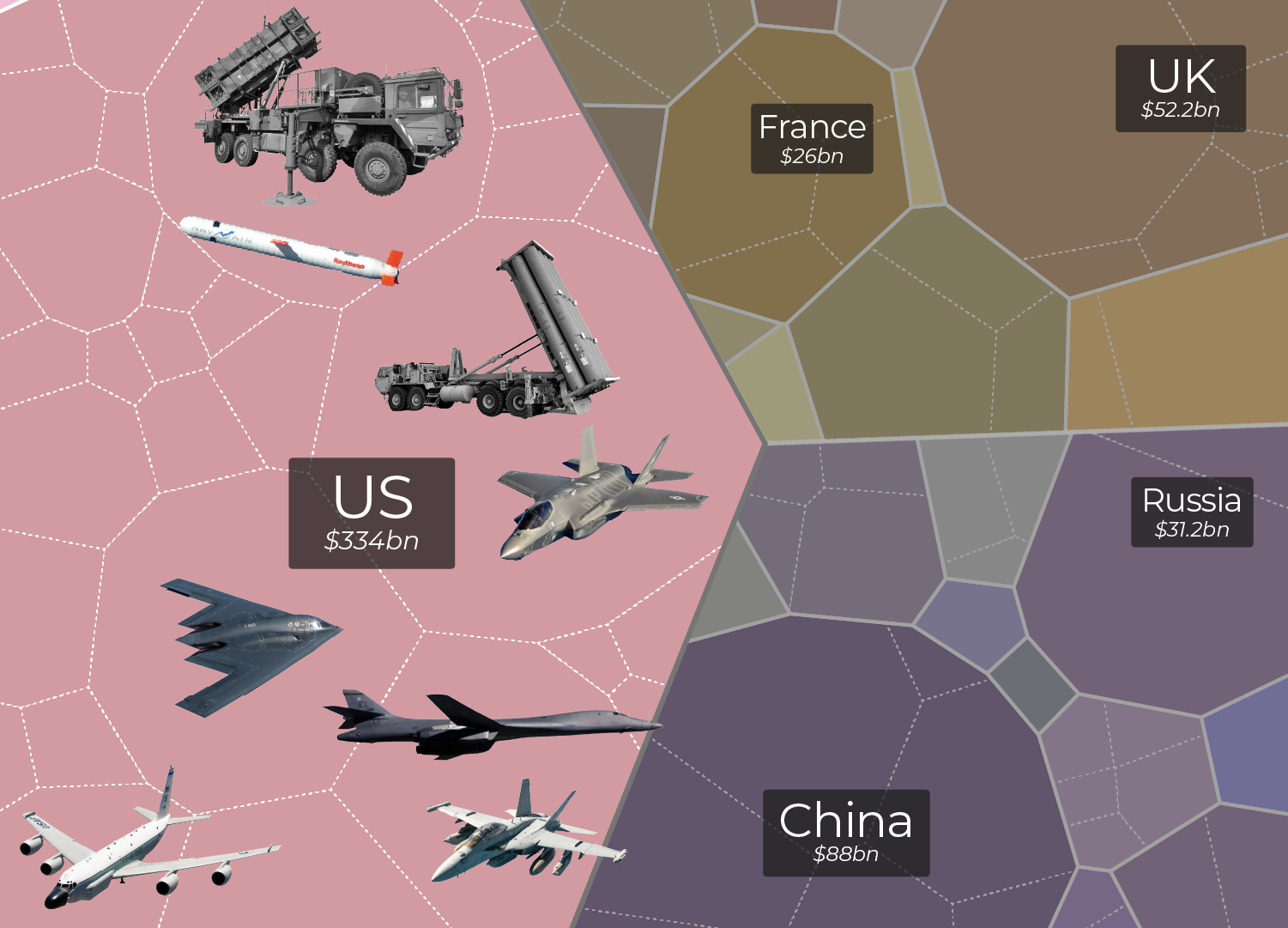
Defence stocks reach all-time highs, driven by need to produce billions of dollars of weapons systems.
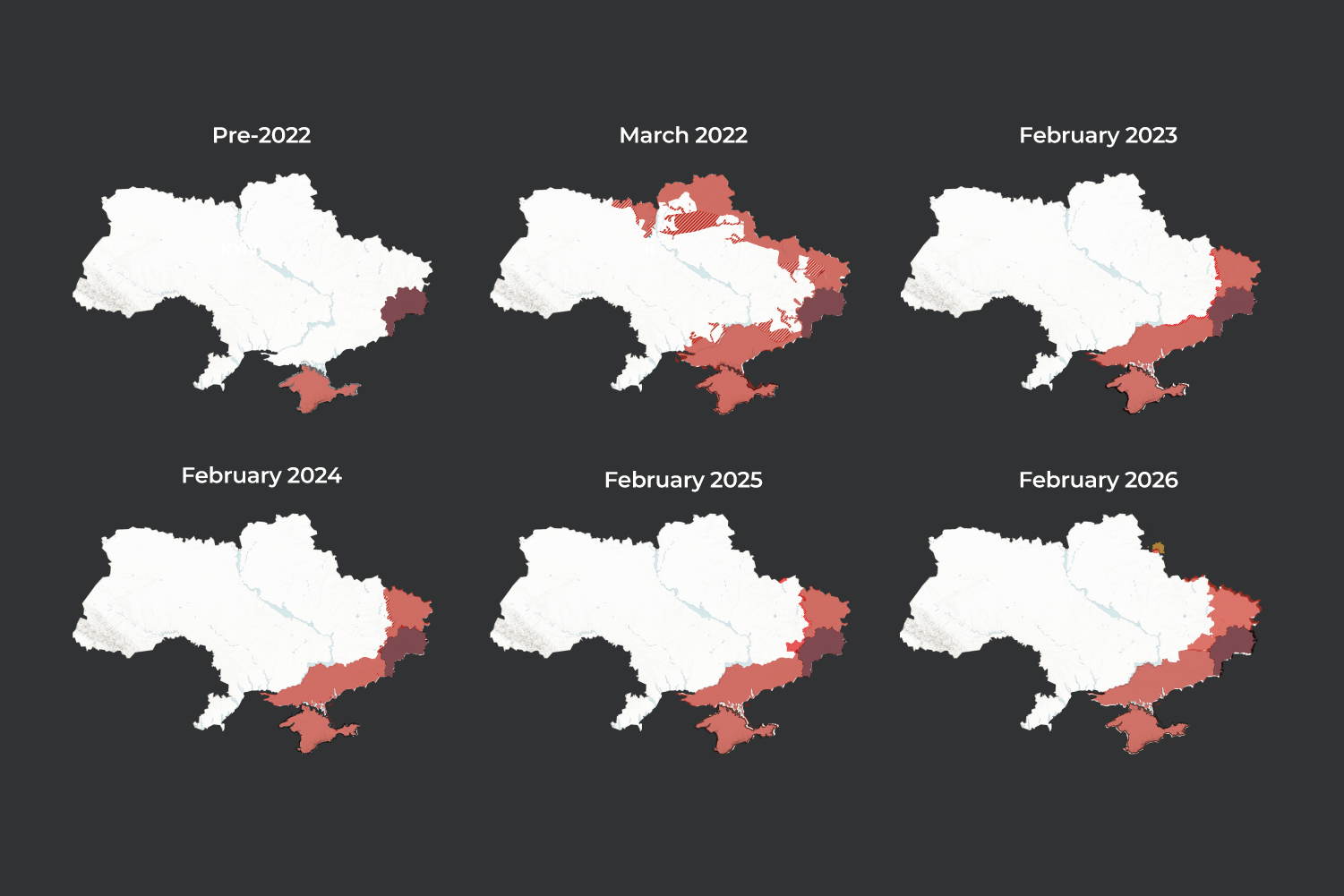
On the war’s fourth anniversary, Russia occupies 20 percent of Ukraine’s territory, but the front line shifts slowly.
The US Department of Justice has released three million files related to convicted sex offender Jeffrey Epstein.