US Midterm Elections 2026
House
Senate
Tap a district for results
Key House races
Districts that could decide the majority · tap a card to find it on the map
All results
| Race | Leading | Second | Margin | Expected vote in | Status |
|---|
Expected vote in: AP's estimate of the percentage of the total expected vote counted so far.
Data source: AP
Your questions answered
What is being decided on November 3?
Control of Congress for the second half of Donald Trump's presidency. All 435 seats in the House of Representatives and 35 of the Senate's 100 seats are being contested, including special elections in Florida and Ohio to fill the seats vacated by Secretary of State Marco Rubio and Vice President JD Vance.
Voters in 36 states will also elect governors, as well as state legislators and local officials.
What do Democrats need to take control?
Republicans hold majorities in both chambers. Democrats need to gain three seats in the House and four in the Senate.
A 50-50 Senate would leave Republicans in control, because Vice President JD Vance can cast tie-breaking votes.
What issues matter most to voters?
The cost of living tops voters' concerns, with rising petrol prices, housing costs and healthcare coverage squeezing household budgets. Reproductive rights, immigration and the state of US democracy are also on the ballot, along with the US-Israel war on Iran and the growth of AI and data centres.
How many Americans are registered to vote?
About 210 million, nearly eight in 10 US residents aged 18 or older, according to USAFacts. California has the most registered voters (23.2 million), followed by Texas (17.4 million) and Florida (13.6 million). Wyoming has the fewest, with 278,468.
How are different groups planning to vote?
A Pew Research Center survey from September 28 to October 4 found 44 percent of registered voters backed the Democratic candidate in their district and 36 percent the Republican. Men are evenly split at 42 percent each, while women favour Democrats by 45 percent to 31 percent.
How many people vote in midterms?
Fewer than in presidential years. Since 1944, average turnout has been about 42 percent in midterms, compared with 58 percent in presidential races. Turnout was 46.1 percent in 2022.
What happens if Republicans lose the House?
A Democratic House could block Republican legislation, investigate the Trump administration through its committees and, if it chose, impeach the president. It would also gain leverage over government funding, raising the possibility of further shutdowns.
What happens if Republicans lose the Senate?
A Democratic Senate could block legislation and reject presidential nominees, including federal judges, who serve for life. The Senate also holds the trial if the House impeaches a president; removal requires a two-thirds majority.
Would winning both chambers give Democrats full control?
No. Trump would remain president and could veto legislation, and overriding a veto needs a two-thirds vote in each chamber. Most bills also need 60 votes in the Senate to end debate.
When will we know the results?
Results start after the first polls close at 6pm Eastern Time (23:00 GMT) on November 3, but close races can take days. Final tallies can take days or weeks as mail-in and provisional ballots are counted. In Georgia, a Senate race with no majority winner goes to a run-off on December 1.
Early leads can shift as later ballots are counted, which on its own is not a sign of fraud.
Read more
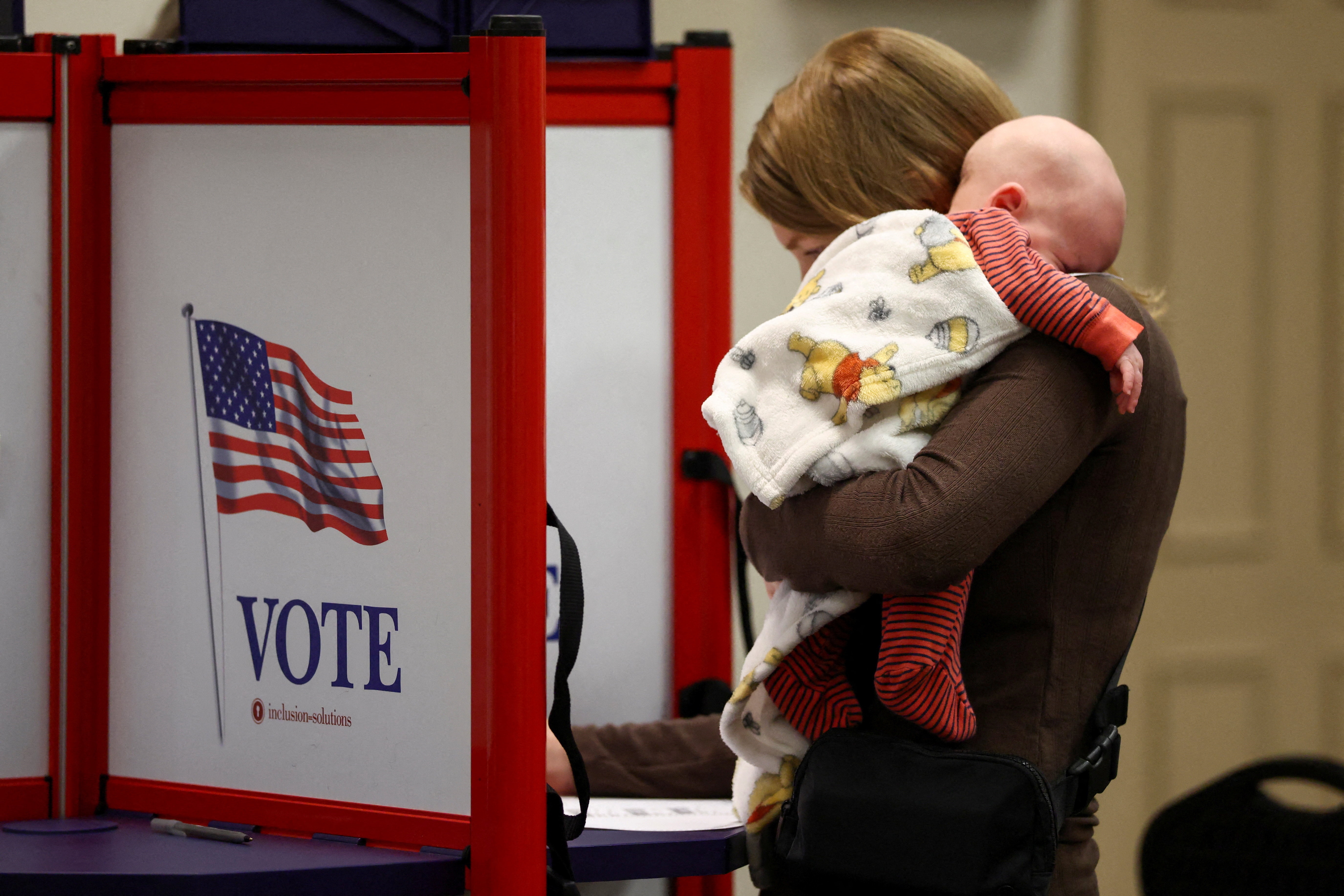 LiveUS midterm elections live: Polls open in test for Trump
 ExplainerWhen will we know the US midterm election results?
 ExplainerHow the president’s party has fared in every US midterm election since 1946
 VideoHow the midterms could change Trump’s presidency
 Analysis‘Foreign policy is the economy’: How Iran war is shaping US midterm vote
 ExplainerWhy do the US midterms matter for Trump and Congress?
